

As a self-professed borderline shopaholic, I can get quite a thrill out of scoring a new find from a blowout sale or perusing online for some fun trinket to scratch the itch. And I know I’m not alone in this. I also know there are many who find shopping to be both a bore and a chore.
To that faction of people, I propose this question: what if you didn’t have to really shop for yourself (or anyone else, for that matter) at all? Instead, what if a bot did all of your shopping for you?
Artificial intelligence is already helping millions of people search for and discover products to purchase online. But what happens when AI agents are able to make the purchasing decision on behalf of the consumer? That’s a total disruption of the digital advertising ecosystem — and one that may be closer to happening than you think.
For decades, digital advertising has optimized for a single decision-maker: the human consumer. But AI assistants embedded within search engines, operating systems, travel platforms, buy now pay later and retail apps are assuming the role of gatekeeper between brands and consumers. They're able to research, filter, recommend, and even purchase on behalf of shoppers.
This is what’s commonly referred to as agentic shopping, where AI software and assistants can take the goals and inputs of a user and evaluate those to act as an independent digital proxy to handle the entire shopping process on their behalf.
In e-commerce, that means:
Many apps, platforms, and channels are already moving in this direction. Legacy search engines have shifted to zero-click, answer-first experiences, while travel and retail ecosystems are testing AI concierges that surface “recommended” or “best” options instead of a list with links. Morgan Stanley predicts that nearly 50% of U.S. shoppers could use AI-powered shopping agents by 2030.
From the consumer’s perspective, this is efficiency. From the brand’s perspective, it’s a fundamental change in how influence works. The question for advertisers is no longer if AI will influence purchase decisions, but how can they keep their brand visible when the buyer isn’t human at all? By advertising in a way that AI can easily process, understand, and source as an option for the consumer.
Traditional search advertising assumes a visible decision funnel:
Step 1: You input your search
Step 2: You compare the search results that are returned
Step 3: You click on the most relevant result to your query
Step 4: You make the decision whether or not to purchase
Agentic shopping compresses, or bypasses, this funnel entirely. AI assistants don’t evaluate brands emotionally like humans do. Instead, they prioritize:
In other words, brands don’t “win” by being louder; they win by being present, trusted, and contextually relevant at the moment an AI agent is making a decision. If your brand isn’t visible in the environments where AI agents source information, you’re less likely to even be referenced in the conversation a consumer will be executing with an AI agent as part of their shopping journey.
While the technology is evolving, the signals AI relies on are already familiar to performance marketers.
AI agents respond to expressed intent, not passive interest. Brands must appear in environments where users actively signal needs. These moments are increasingly taking place in next-gen surfaces like buy now pay later apps and AI chat surfaces.
Clear product attributes, pricing, availability, and value propositions matter more to AI than emotional-based storytelling which better attracts and converts human shoppers.
AI systems favor information that fits seamlessly into the user experience of a given channel or platform. This includes recommendations, suggestions, and results that feel like a natural extension of their experience, rather than interruptive.
Consistent engagement, relevance, and outcomes signal quality, both to platforms and the AI models operating within them. This is where native search advertising plays a critical role.
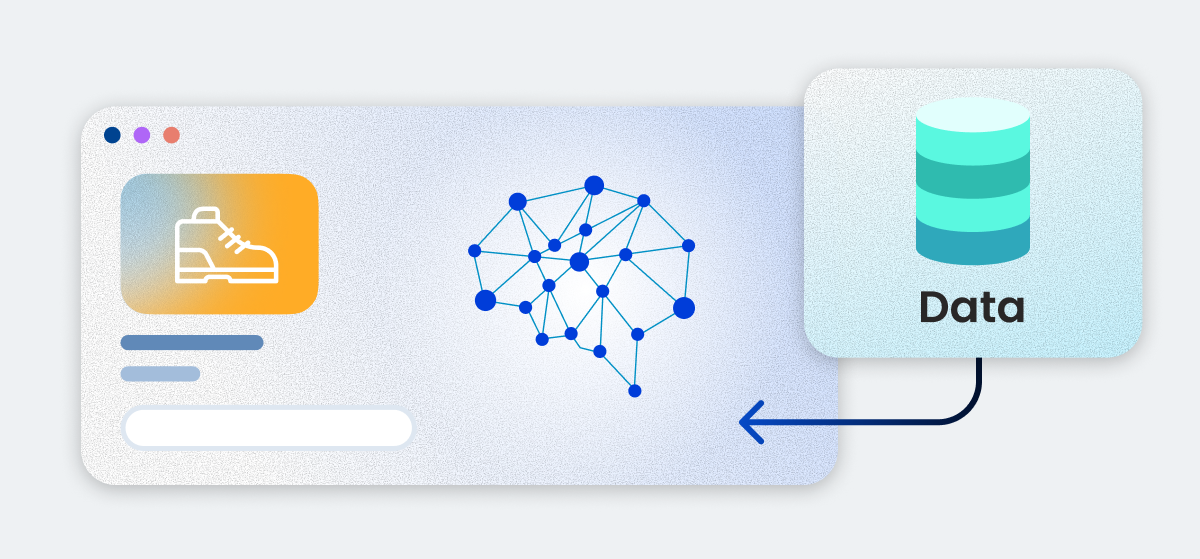
Native search advertising sits at the intersection of intent, relevance, and scale. These are the very same principles guiding AI decision-making.
Through our exclusive native search placements across premium publishers and platforms, adMarketplace enables brands to:
Many people, like yours truly, will prefer to execute many aspects of the shopping experience themselves. And make no mistake, AI agents have a long way to go in establishing trust and viable utility — just 24% of U.S. adults trust AI agents to act on their behalf to make routine purchases.
But realistically, the future of advertising and shopping won’t be an either/or scenario. Advertisers who want to remain competitive and grow market share won’t explicitly choose between a human or machine. Instead, they’ll need to factor in both.
Consumers will still set preferences, budgets, and needs. AI agents will simply execute on their behalf if they so choose. Brands must provide clear, trusted signals to both humans and AI agents to show up where consumer intent is being expressed and where AI is scraping and surfacing results.
The best way to do both is by investing in native search-driven discovery. Luckily, adMarketplace is here to help with just that. Are you ready to redefine your advertising strategy and media portfolio to effectively speak to both human and machine alike? If so, we’re ready to answer that call.

We help brands maximize reach and improve efficiency so that you can grow market share, outpace competitors, and win the search.






.jpg)