

Since the dawn of the ecommerce era, the digital shopping journey has revolved around one central hub: the search bar. You either knew exactly what you wanted to buy and input that brand’s URL to be transited directly to their site to purchase, or you typed a query and were plunged into the wild, wild west of the internet.
Over several decades, product discovery has evolved from a single search bar to a multi-touch ecosystem driven by algorithms, AI assistants, and conversational search. In fact, 37% of consumers now rely on multiple search touchpoints before ever reaching a brand’s site.
For advertisers, understanding how the consumer journey evolves is critical to influencing purchase decisions across every touchpoint. Make no mistake, shoppers want engaging, frictionless experiences. How your brand shows up can make or break the purchasing decision.
Driven by technology advancements and new behaviors, let’s chart the evolution of the consumer journey and product discovery over the years from its humble beginnings on the search engine results page (SERP) to today’s increasingly AI-powered ecosystem.
For years, the SERP was the undisputed entry point for online discovery. Google – and to a lesser extent, Bing – defined how consumers found products through lists of blue links. Brands mastered SEO, keyword bidding, and paid search to optimize visibility.
But the SERP of 2025 looks radically different. The archaic blue links have been replaced with AI summaries, visual product carousels, and dynamic recommendation tiles all before you even get the top organic result. Many of these features have been integrated into this more modern SERP experience as a direct response to consumer expectations from the experiences they receive elsewhere.
Consumers have favored new channels for years, breaking the SERP's stranglehold over product discovery. Visibility now extends far beyond the legacy SERP, making native search advertising all the more important for brands looking to actively reach consumers where and when they shop online.

Long before 2025, consumers grew disenchanted with blue-link SERPs. In 2010, Google started to respond in kind by launching Product Listing Ads (PLAs), which remain a staple in retail discovery to this day.
With visual cards showing pricing, reviews, and availability, PLAs bridged the gap between search intent and purchase decisions. These ads were a major driver of ecommerce visibility, and brands flocked to them. However, rising CPCs and shrinking organic visibility have made it difficult to sustain ROI through PLAs alone.
Generative AI integrations like Google’s Search Generative Experience (SGE) now blend organic results with AI-curated summaries, often replacing multiple ad impressions with a single conversational answer. This means fewer opportunities for brands to “own” real estate, even when queries are high-intent.

Amazon's retail media dominance transformed how brands invest in visibility. Retail media networks (RMNs) extend this model across retailer ecosystems. According to WARC’s Future of Commerce Media 2025 study, retail media investment is projected to surpass $200 billion by 2027.
While RMNs offer conversion-driven performance, they also confine advertisers to closed ecosystems. Data transparency and cross-channel attribution remain limited, and brands risk reinforcing dependence on third-party marketplaces instead of building direct relationships.
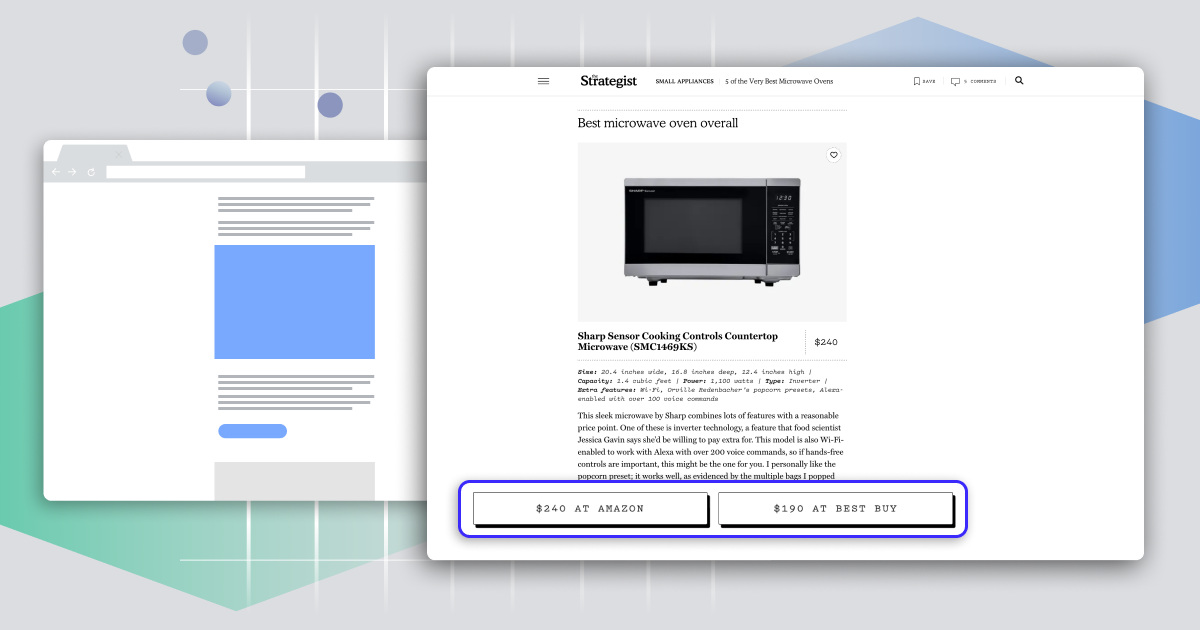
You’ve seen these headlines before. “Top 10 Tech Gadgets to Buy This Black Friday!” “The 7 Products That Will Completely Revamp Your Skincare Routine!” I could go on and on. These listicle-style articles once dominated consumer discovery, blending SEO-rich content with affiliate links. At the height of Buzzfeed, listicles were inescapable. And the format is just as popular and relevant today (look at this blog, for instance).
Editorial platforms packaged multiple products in one digestible format for consumers to explore, compare, and make a purchase decision. Nearly ¾ of consumers (74%) report having purchased a product by clicking on a product link or ad after finding it on an editorial or review site.
However, while their influence remains, editorial discovery has diminished due to its perceived clickbait status and lack of personalization and interactivity for consumers.
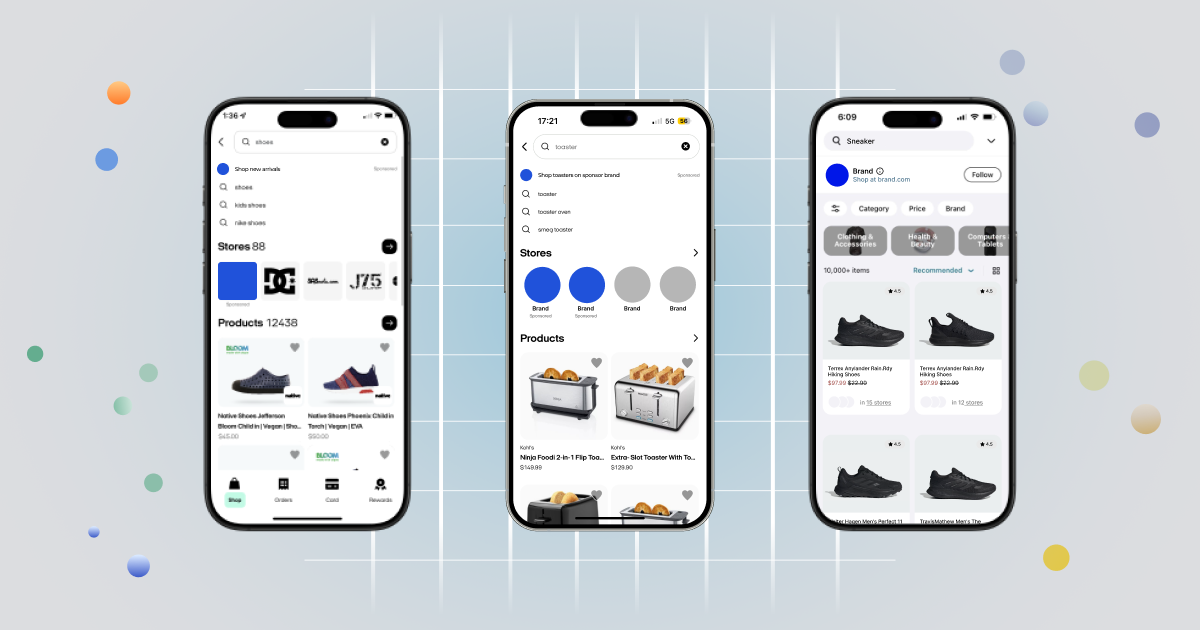
Buy Now Pay Later (BNPL) apps like Klarna, Afterpay, and Sezzle are way more than just payment utilities; they’re becoming powerful product discovery engines in their own right. Consumers browse, save, and shop directly within these ecosystems, often before visiting a brand site. 30% of BNPL users cite the ease with which these apps make new brand and product discovery easier as a primary reason for use.
BNPL environments represent high-value, open-intent moments, where shoppers are ready to transact but are still exploring options. As users seek flexible payments and better deals, BNPL adoption continues growing rapidly — more than half of Americans report having used these apps — especially as economic conditions make many of these value props more enticing.
Social media became the first democratizing channel outside of the SERP for consumer product discovery. For the first time, brands could advertise directly to loyal audiences or capture new ones. Feeds blew up, algorithms echoed back what you liked and wanted to see, and the rest is history.
As social commerce continues to thrive, discovery through social is shifting. Platforms like TikTok and Instagram have become hybrid entertainment and search engines, with 67% reporting they use Instagram to search. Not far behind is TikTok at 62%, while Google comes in third.
Influencers have blurred the line between content and commerce. Shoppers often jump from influencer recommendations directly to brand sites, demonstrating the power of social channels to drive purchase decisions.
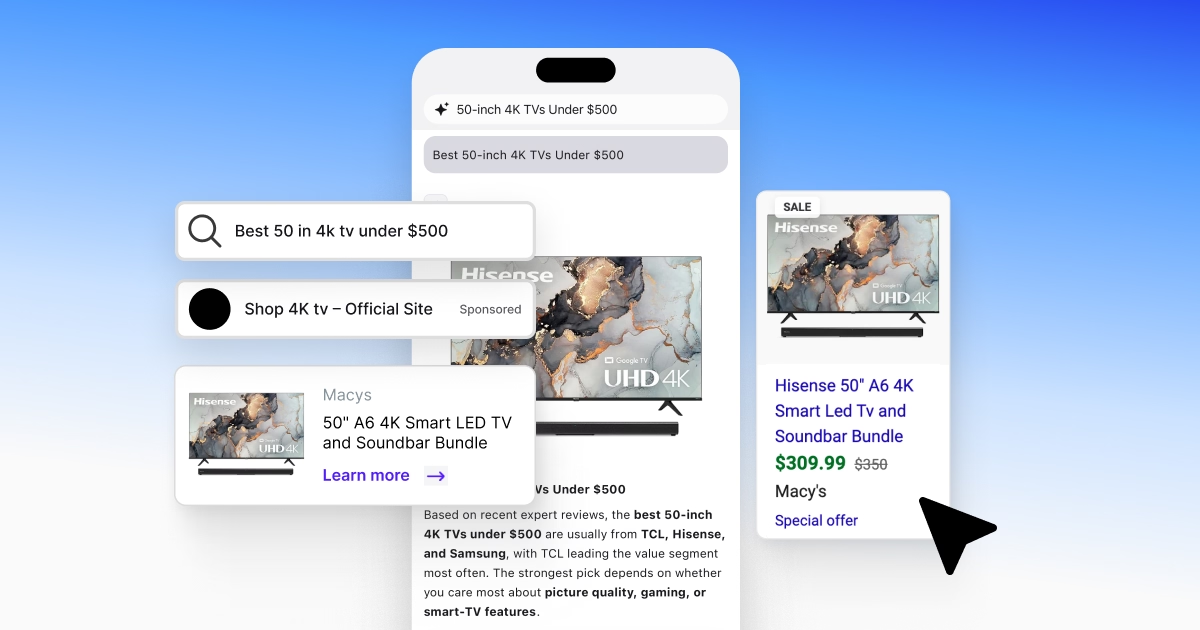
Finally, we’ve arrived at the latest frontier of product discovery: large language models (LLMs) and conversational AI. According to our recent consumer research, 31% of shoppers now start searches with AI tools like ChatGPT or Gemini compared to 21% on traditional search engines. Moreover, 60% believe AI will become the standard for online shopping.
AI chat compresses the shopping funnel and completely upends how people discover and buy products. Users can research, compare, and decide within a single conversational thread. This creates a new form of intent expression, where consumers reveal preferences contextually rather than through keywords.
LLMs and AI chat have become such a relied upon method for product discovery today that many of the other channels listed above are incorporating this technology to better appeal to predominant consumer behavior. And this is only the beginning, as many of the major players like ChatGPT and Perplexity are looking to expand into ecommerce, shopping, and purchasing capabilities directly within their platforms.

The consumer journey is no longer linear. It flows through AI chat, social feeds, retailer ecosystems, and payment apps. Advertisers must evolve beyond keyword bidding and appear wherever consumers explore, evaluate, and decide.
With native search media, adMarketplace connects brands to these evolving paths of discovery, ensuring they stay visible and relevant in every environment — from the next great listicle article to the future of AI-driven search and discovery.
Ready for your brand and product to be discoverable beyond the SERP? Contact adMarketplace to learn how native search advertising can help your brand surface everywhere it counts, from BNPL apps to AI chat surfaces to everything in between.
We help brands maximize reach and improve efficiency so that you can grow market share, outpace competitors, and win the search.